New York City is filled with iconic attractions that draw millions of visitors each year. Times Square, the Empire State Building, Central Park and the Metropolitan Museum of Art are familiar stops on almost every first-time itinerary. While these landmarks are worth experiencing, travelers who venture beyond the usual sightseeing circuit can discover a quieter and more distinctive side of the city.
Across Brooklyn, Queens and the Bronx, several lesser-known destinations offer history, art, gardens, waterfront views and cultural experiences without the crowds associated with New York’s most famous attractions. Here are six places worth considering for a different kind of NYC visit.
1. Green-Wood Cemetery in Brooklyn
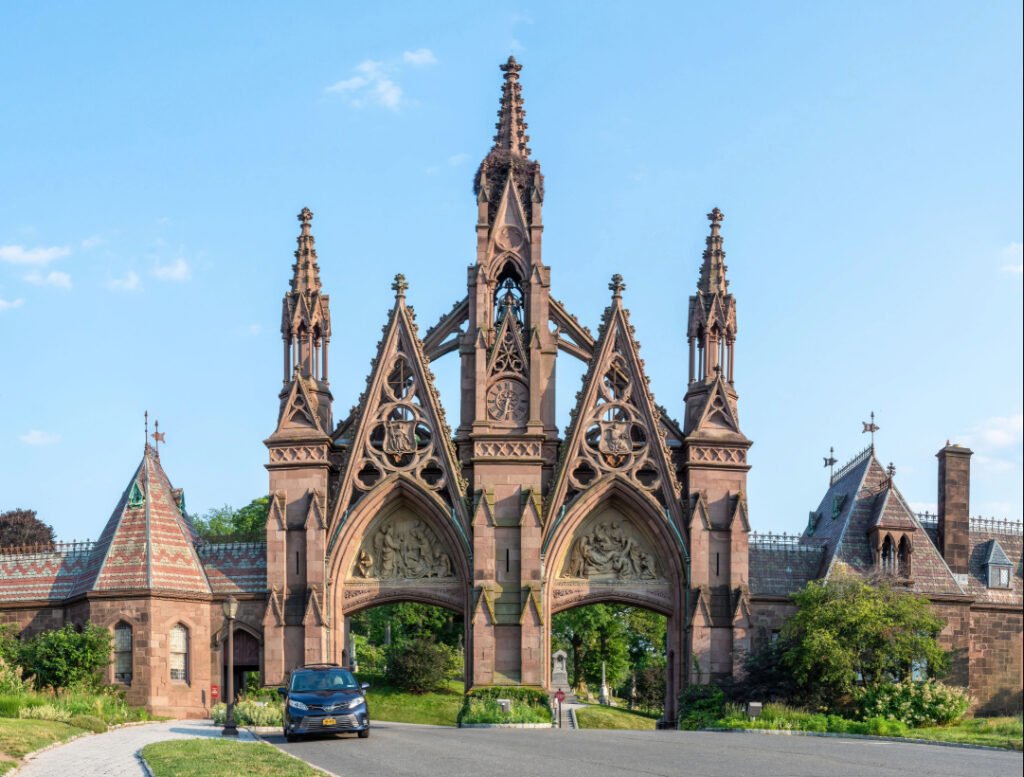
Green-Wood Cemetery may seem like an unusual sightseeing destination, but its combination of history, architecture and scenery makes it one of Brooklyn’s more memorable places to explore.
Founded in 1838 and designed across hundreds of acres of landscaped grounds, the cemetery became a major attraction during the 19th century. At one point, it was reportedly the second most visited tourist attraction in the United States, behind Niagara Falls.
Today, visitors can walk along winding paths, admire Gothic Revival architecture and enjoy views of the Manhattan skyline from Battle Hill, Brooklyn’s highest natural point. The cemetery is also the final resting place of notable figures including artist Jean-Michel Basquiat, composer Leonard Bernstein and politician Boss Tweed.
The grounds provide a peaceful alternative to the city’s busier attractions while offering an unusual perspective on New York’s history.
2. The City Reliquary in Williamsburg
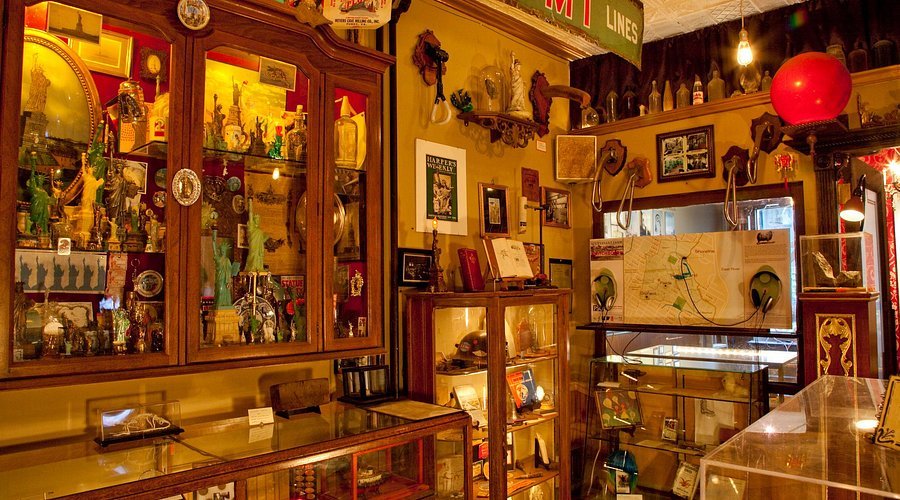
For travelers interested in New York’s everyday history, the City Reliquary in Williamsburg offers an experience that is considerably different from the city’s major museums.
The small museum began when founder Dave Herman displayed New York-related objects in the windows of his Williamsburg apartment in 2002. The collection eventually developed into a neighborhood museum filled with quirky pieces of city history.
Exhibits include Statue of Liberty memorabilia, subway tokens, architectural fragments, geological samples and other objects connected to New York’s past. The museum also hosts community-oriented events, adding to its local character.
Its intimate size makes it an easy stop for visitors exploring Williamsburg, particularly those who want to discover something beyond the neighborhood’s better-known restaurants, shops and nightlife.
3. Wave Hill in the Bronx
Located in Riverdale overlooking the Hudson River, Wave Hill offers an escape from the intensity of Manhattan without requiring visitors to leave New York City.
The public garden and cultural center occupies a historic estate with landscaped gardens, greenhouses and expansive views toward the New Jersey Palisades. The oldest section of Wave Hill House dates to the 1840s, adding a historic dimension to the gardens.
The property has also been associated with notable figures such as Mark Twain and Theodore Roosevelt. Today, visitors can explore gardens, walk through the grounds and enjoy views of the Hudson in a setting that feels far removed from the surrounding city.
For travelers looking for green space, scenery and a slower pace, Wave Hill can be an appealing addition to a Bronx itinerary.
4. Louis Armstrong House Museum in Queens
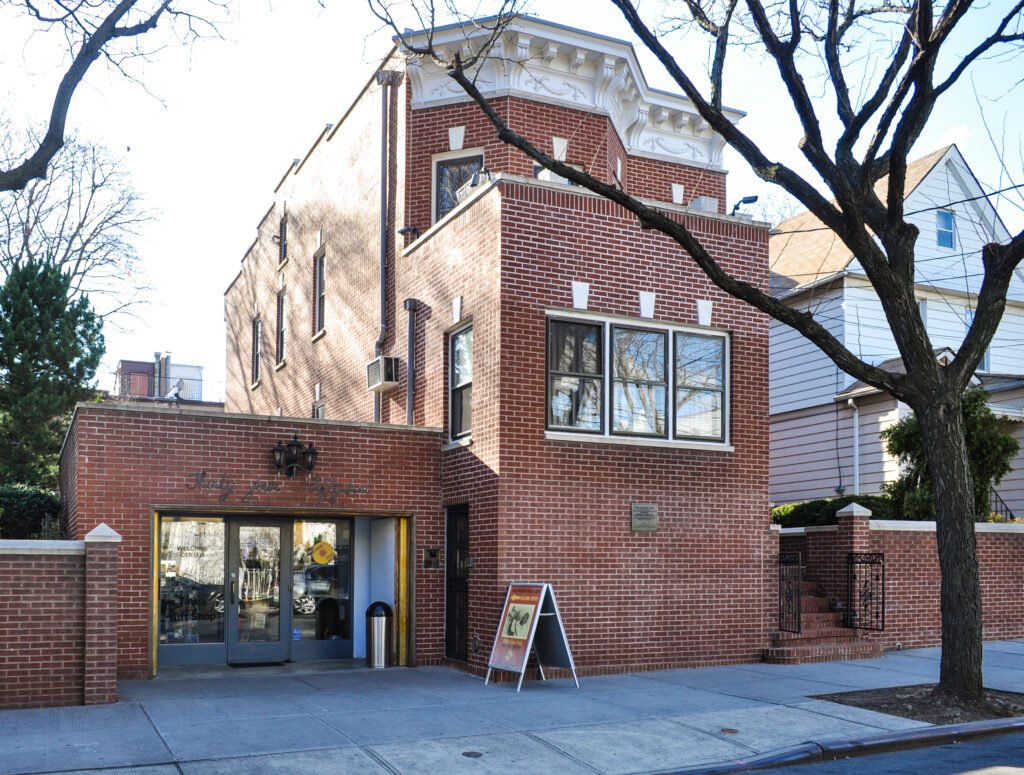
Music enthusiasts can step into the personal world of one of America’s most influential jazz musicians at the Louis Armstrong House Museum in Corona, Queens.
Louis Armstrong and his wife, Lucille, moved into the house in 1943, and Armstrong continued to live there until his death in 1971. The preserved residence provides visitors with a more personal view of the musician’s life than a traditional museum exhibit might offer.
The neighboring Louis Armstrong Center adds another dimension to the experience, featuring artifacts and stories connected to his career and legacy. Visitors can also learn more about the surrounding Corona and East Elmhurst communities through oral history exhibitions.
Because tours are generally more intimate than those at major New York attractions, the museum offers an opportunity to connect with the personal history behind one of jazz’s most recognizable names.
5. City Island in the Bronx
City Island provides one of New York City’s most surprising changes of scenery. Located at the eastern edge of the Bronx, the narrow island has a strong maritime identity and a distinctly small-town atmosphere.
The community has long been connected to boatbuilding, fishing and seafood. Visitors can walk along quieter residential streets, browse small shops and museums, and enjoy waterfront views across Long Island Sound.
The island’s seafood restaurants are another attraction, while visitors interested in experiencing more of the city’s food culture can explore these iconic foods every visitor should try in New York City. Its maritime character also gives visitors a chance to experience a side of the Bronx that feels dramatically different from the image many tourists associate with New York City.
For travelers who want to slow down and explore a less conventional destination, City Island is worth adding to the itinerary.
6. The Noguchi Museum in Long Island City
The Noguchi Museum offers an opportunity to experience the work of sculptor Isamu Noguchi in a setting shaped by the artist himself.
Located in Long Island City, the museum occupies a converted industrial building and includes indoor galleries as well as an outdoor sculpture garden. The collection showcases Noguchi’s work across a variety of materials and forms.
Its location slightly away from some of Long Island City’s better-known cultural destinations means it can be overlooked by visitors focused on the area’s larger attractions. However, the quieter atmosphere allows guests to spend more time engaging with the artwork without the crowds often found at major museums.
The combination of sculpture, architecture and garden space makes the museum particularly appealing to travelers seeking a more contemplative cultural experience.
Why Explore Beyond NYC’s Famous Landmarks?
New York’s major attractions are famous for good reason, but the city’s character extends well beyond its most photographed locations. Lesser-known destinations can reveal neighborhood histories, local traditions, artistic movements and natural landscapes that are easy to miss on a conventional sightseeing trip.
Exploring these places can also give travelers more flexibility. Instead of spending an entire day moving between crowded attractions, visitors can incorporate smaller museums, gardens, historic sites and waterfront communities into their plans at a more relaxed pace.
Conclusion
For travelers returning to New York City or those who simply want to experience the city differently, these six destinations provide an alternative to the standard tourist itinerary. From Green-Wood Cemetery’s historic grounds and Wave Hill’s gardens to City Island’s maritime atmosphere and the artistic world of the Noguchi Museum, each location offers its own perspective on the city.
Exploring these lesser-known attractions can turn a familiar New York trip into a more personal experience, allowing visitors to discover neighborhoods and cultural spaces that are often overlooked by first-time tourists.
FAQs
Green-Wood Cemetery, the City Reliquary, Wave Hill, the Louis Armstrong House Museum, City Island and the Noguchi Museum are among the lesser-known destinations that offer distinctive cultural, historical and scenic experiences.
The six destinations are spread across Brooklyn, Queens and the Bronx, giving visitors opportunities to explore areas outside Manhattan’s most heavily visited tourist districts.
Yes. These destinations can be particularly appealing to returning visitors who have already experienced landmarks such as Times Square, Central Park and the Empire State Building and want to explore a quieter side of New York City.