Kitchen renovations can transform the way a home looks and functions, but even attractive design choices can create problems when they are not suited to the available space. This is particularly important for New York homeowners, where kitchens can range from spacious suburban layouts to compact apartments and older kitchens that may require additional renovation considerations.
Good kitchen design requires more than selecting attractive cabinets, countertops and appliances. The layout, storage, lighting, finishes and available workspace all need to work together. Before starting a renovation, homeowners can avoid several common design mistakes that may make a kitchen feel cluttered, outdated or less practical.
1. Overloading Open Kitchen Shelves
Open shelving has become a popular kitchen feature because it can make a room feel more open while providing space to display attractive dishes, cookware and decorative pieces. However, too many items can quickly turn this feature into a source of visual clutter.
This can be particularly noticeable in smaller New York kitchens, where limited wall and storage space already require careful planning. Shelves packed with dishes, containers, appliances and miscellaneous items can make the entire kitchen feel busier.
Homeowners who prefer open shelving can use it selectively. One or two shelves can provide enough space for displaying frequently used cookware or decorative pieces without overwhelming the room. Everyday kitchen supplies that do not contribute to the overall appearance can remain inside cabinets.
2. Leaving Countertops Covered With Appliances
Counter space is one of the most valuable resources in any kitchen. Leaving coffee makers, blenders, toasters, knife blocks and other appliances permanently on the countertop can reduce the amount of available workspace.
For New York homeowners working with smaller kitchens, the problem can be even more noticeable. A countertop filled with appliances can make food preparation more difficult while making the room appear crowded.
During a kitchen renovation, storage should therefore be planned around the appliances the household actually uses. Frequently used appliances can remain accessible, while less frequently used items can be placed inside cabinets, pantry storage or designated appliance areas.
Keeping sections of the countertop clear can make everyday cooking easier and give the kitchen a more organized appearance.
3. Installing an Oversized Kitchen Island
A kitchen island can provide additional preparation space, storage and seating, but an oversized island can create the opposite result.
New York homes can have a wide variety of kitchen layouts, and maximizing every available square foot is often important. An island that takes up too much space can restrict movement between the refrigerator, sink, stove and other important areas.
Before selecting an island, homeowners should consider the size of the kitchen, traffic patterns and clearance around appliances and cabinets. The goal should be to create enough workspace without sacrificing comfortable movement.
For kitchens that already have large islands, reducing unnecessary seating or decorative items can help make the feature feel more practical. The island should support cooking and everyday activities rather than simply dominate the room.
4. Choosing Cabinet Hardware Without a Plan
Cabinet hardware may appear to be a small detail, but it can significantly influence the overall appearance of a renovated kitchen.
Oversized handles, elaborate designs and multiple competing finishes can make cabinets appear visually heavy. Using too many different metal finishes throughout the kitchen can also make the design feel disconnected.
A coordinated hardware strategy can create a cleaner appearance. Homeowners can select a primary finish for cabinet handles and pulls while using a complementary finish for fixtures such as faucets and lighting.
Simple hardware in finishes such as brushed nickel, matte black or brass can work across a variety of kitchen styles. The right choice ultimately depends on the cabinetry, countertops, lighting and overall design of the room.
5. Choosing a Backsplash That Competes With Everything Else
A backsplash can be an effective way to introduce texture, color and personality into a kitchen. However, an extremely busy pattern may compete with countertops, cabinets, flooring and appliances.
This is especially important when a kitchen already includes several prominent design elements. A dramatic backsplash combined with highly detailed cabinets and a patterned countertop can make the room feel visually crowded.
A more balanced approach is to determine which feature should serve as the primary focal point. If the countertop or cabinetry already has a strong appearance, a simpler backsplash may provide a better visual balance.
Subtle tile patterns, natural stone, neutral colors and textured materials can add character without overwhelming the rest of the kitchen.
6. Depending on One Harsh Overhead Light
Kitchen lighting needs to support both practical tasks and the overall atmosphere of the room. A single bright ceiling fixture may provide general illumination, but it can leave work surfaces poorly lit while creating harsh shadows.
A layered lighting plan can provide a better solution. Pendant lights can illuminate an island or breakfast area, while under-cabinet lighting can brighten countertops and food preparation zones.
Ambient lighting can provide softer illumination throughout the kitchen, while task lighting can focus on areas where cooking and preparation take place.
During a renovation, lighting should be planned alongside cabinetry and electrical work rather than treated as an afterthought. This can help homeowners create a kitchen that is easier to use and more comfortable at different times of the day.
7. Using Too Much Artificial Greenery
Plants can add warmth and natural character to a kitchen, but excessive artificial greenery can make the space look dated or unnecessarily decorated.
Instead of filling countertops and shelves with fake plants, homeowners can consider using a small number of genuine plants that are suitable for the kitchen’s lighting and humidity conditions.
Herbs can also provide a practical decorative element when the growing conditions are appropriate. Low-maintenance plants can bring natural color into the room without taking up significant workspace.
The goal is not to eliminate greenery altogether but to use it intentionally. A few carefully placed plants can complement the kitchen without creating additional clutter.
How New York Homeowners Can Plan a Better Kitchen Renovation
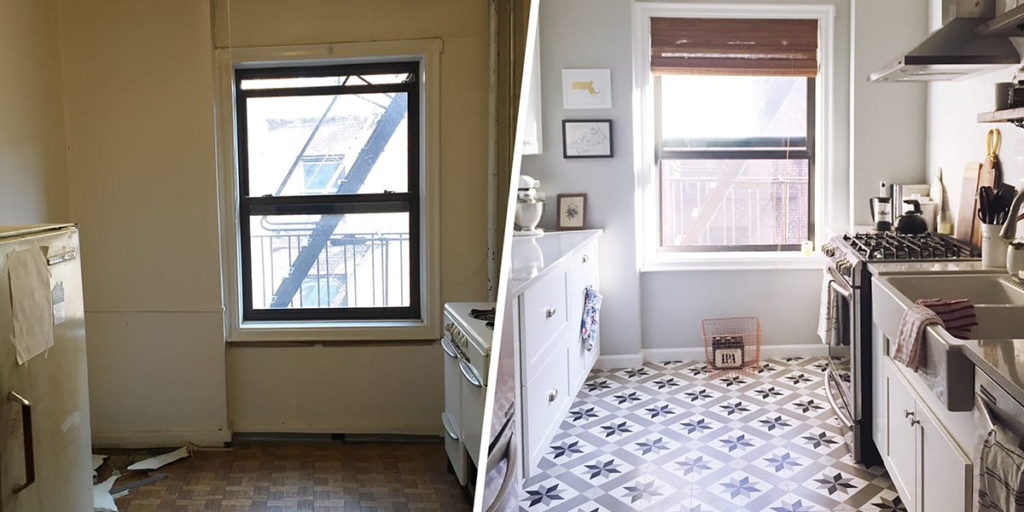
Avoiding common design mistakes starts with understanding how the kitchen will actually be used. Before selecting finishes or purchasing new fixtures, homeowners should consider cooking habits, storage requirements, household size and the amount of available space.
Older New York homes may also present unique renovation considerations, including unusual room dimensions, existing plumbing locations and limited storage. Apartments and smaller properties may require even more attention to vertical storage and efficient layouts.
Working with an experienced home improvement professional can help homeowners evaluate the existing space before major changes are made. Proper planning can also reduce the risk of choosing features that look attractive but interfere with everyday functionality.
A successful kitchen renovation should balance appearance with practicality. Cabinets should provide sufficient storage, countertops should offer usable preparation space, lighting should cover important work areas and decorative elements should complement rather than compete with one another.
Conclusion
A kitchen renovation is a significant investment, and attractive design choices do not always result in a functional space. Overloaded shelving, crowded countertops, oversized islands, mismatched hardware, overly complicated backsplashes, harsh lighting and excessive artificial greenery can all affect how a kitchen looks and feels.
For New York homeowners, thoughtful space planning is particularly important because kitchen sizes and layouts can vary considerably. Choosing appropriately scaled features and coordinating finishes can help create a kitchen that feels organized without sacrificing personality.
By considering functionality alongside aesthetics from the beginning of a renovation, homeowners can create a kitchen that is comfortable to use, visually balanced and better suited to the way they live.
FAQs
Common mistakes include choosing an oversized island, creating insufficient storage, overcrowding countertops, using too many competing finishes and relying on inadequate lighting.
No. An island should be appropriately sized for the kitchen. An oversized island can restrict movement and reduce the amount of usable space around appliances and cabinets.
Homeowners should consider the available space, storage requirements, cooking habits, appliance placement, lighting, traffic flow and overall budget before finalizing a renovation plan.