New York City continues to face a severe housing shortage, with policymakers and urban planners examining ambitious strategies to increase the supply of homes. The scale of the challenge is significant, as the city has identified a need for hundreds of thousands of additional housing units over the coming decade.
Meeting such a goal would require construction to accelerate substantially compared with recent years. However, increasing housing supply is not simply a matter of approving new developments. High construction costs, limited land, financing challenges, labor shortages and complex regulations can all slow the delivery of new homes.
For renters, the shortage has direct consequences. Limited apartment availability combined with high demand has contributed to elevated rents, making it increasingly difficult for many households to find housing that fits their budgets.
Could Office Conversions Help Ease the Shortage?
One strategy receiving considerable attention is the conversion of underused or vacant office buildings into residential properties. Changes in workplace patterns have left some commercial buildings with lower demand, creating opportunities to repurpose existing structures.
However, converting an office tower into housing can be significantly more complicated than simply redesigning its interior. Developers may need extensive plumbing, electrical, structural and remodeling work to meet residential building requirements. Financing and permitting can also affect the timeline and overall cost of a conversion.
Labor shortages add another challenge. A shortage of qualified construction professionals can increase project costs and extend completion schedules. If expenses rise substantially, developers may also find it difficult to deliver units at prices that remain genuinely affordable for local renters.
Housing Development and the Five Boroughs
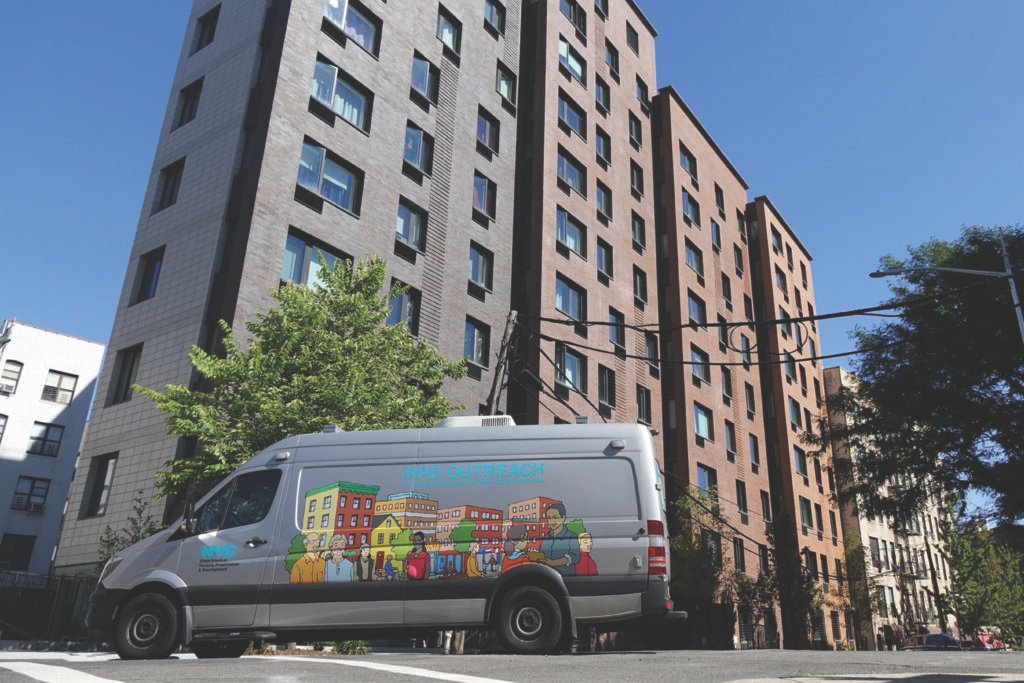
Expanding the housing supply also raises questions about where new homes should be built. A sustainable approach requires development across New York City’s five boroughs rather than concentrating new construction in only a small number of neighborhoods.
Large-scale projects, zoning changes and redevelopment proposals have generated debate among city officials, residents, property owners and real estate professionals. Supporters argue that greater housing density is necessary to address the shortage, while opponents often raise concerns about neighborhood character, infrastructure and development impacts.
Rent regulation has added another layer of complexity. Disagreements between policymakers, property owners and housing advocates demonstrate how difficult it can be to balance tenant protections with the need to encourage additional housing construction.
Gen Z Men and a Changing U.S. Workforce
Housing is not the only major economic issue affecting younger Americans. Workforce participation among Gen Z has also become a subject of increasing discussion, particularly among young men.
Although the national unemployment rate remains relatively low, unemployment statistics do not capture people who have stopped actively looking for work. A prolonged absence from the workforce can create challenges beyond an immediate loss of income, including fewer opportunities to build skills, professional networks and early-career experience.
Young adults entering the labor market are also encountering a rapidly changing economy. Artificial intelligence and automation are reshaping entry-level positions across industries, raising questions about how traditional pathways into professional careers will evolve.
Skills and Career Opportunities Are Changing
The changing labor market means that young workers may need to consider career paths beyond traditional four-year-degree routes. Technical trades, healthcare, construction, electrical work and plumbing can provide alternative opportunities through apprenticeships and vocational training.
Community colleges, workforce development organizations and short-term certification programs can also help job seekers acquire targeted skills without committing to lengthy educational programs.
Mentorship and apprenticeship initiatives can play an important role as well. Practical experience can help younger workers understand employer expectations while building the technical and interpersonal skills required for long-term employment.
Career planning is particularly important during the early stages of working life. Young adults can benefit from researching industries with strong hiring demand, developing relevant skills and seeking professional guidance before becoming disconnected from the labor market.
Connecting Housing and Economic Opportunity
Housing affordability and workforce participation are separate challenges, but they can influence one another. High housing costs can make it harder for workers to live near employment centers, while limited job opportunities can make rising rents even more difficult to manage. New York’s strong state economy also provides important context for understanding how housing costs, employment opportunities and economic growth intersect.
For New York City, expanding the housing supply will therefore require more than construction targets. Successful development will depend on financing, infrastructure, skilled labor, zoning policies and effective coordination between public and private stakeholders.
At the same time, improving workforce participation among younger Americans will require accessible training, stronger entry-level opportunities and career pathways that reflect the needs of a changing economy.
Conclusion
New York’s housing shortage and the challenges facing younger workers highlight broader questions about economic opportunity, affordability and long-term stability. Increasing housing construction could help ease pressure on renters, but achieving meaningful results will require overcoming substantial financial, logistical and regulatory barriers.
For Gen Z workers, adapting to changing employment conditions may be equally important. Technical training, apprenticeships, certifications and strategic career planning can create alternative pathways into growing industries. Together, stronger housing policies and accessible career opportunities can contribute to a more resilient economic environment for future generations.
FAQs
New York City has experienced a persistent gap between housing demand and available supply. High demand, limited land, construction costs, regulatory barriers and slow development can all contribute to the shortage and elevated rental prices.
Office-to-residential conversions can add housing using existing buildings, but projects can involve significant plumbing, electrical, structural, permitting and financing challenges. These factors can affect both project costs and completion timelines.
Young workers can explore growing industries, technical trades, apprenticeships, community college programs and targeted certifications. Building practical skills, gaining early work experience and seeking mentorship can also strengthen long-term career prospects.