Electric vehicles (EVs) are becoming an increasingly important part of New York’s automotive business landscape. As businesses, consumers, dealerships, repair shops, fleet operators, and transportation companies respond to the transition toward electric mobility, the automotive industry is changing beyond the vehicles themselves. New technologies, charging infrastructure, service requirements, and customer expectations are creating new opportunities while also requiring established businesses to adapt.
Growing Demand Is Reshaping Automotive Businesses
The growing interest in electric vehicles is influencing how automotive businesses approach sales, marketing, inventory, and customer service. Dealerships are increasingly expected to provide information about EV range, charging options, battery technology, ownership costs, and available models.
For automotive businesses, this means that selling vehicles is becoming more information-driven. Customers may require guidance about home charging, public charging networks, battery warranties, and the differences between electric and traditional vehicles before making a purchase decision.
Businesses that can provide clear and accurate information can create stronger customer relationships while positioning themselves for continued changes in the automotive market.
Dealerships Are Adapting to New Vehicle Technology
EVs are changing the role of automotive dealerships in several ways. Traditional dealership operations have largely focused on vehicle sales, financing, parts, and mechanical services. Electric vehicles introduce additional areas of expertise, including battery systems, charging equipment, software features, and energy efficiency.
Sales teams may need additional training to explain EV technology and help customers understand how electric vehicles fit into their driving habits. Dealerships may also need to adjust their inventory strategies as demand changes across different vehicle segments.
The transition also creates opportunities for dealerships to differentiate themselves through EV education, charging guidance, digital resources, and specialized customer support.
Auto Service Businesses Face New Opportunities
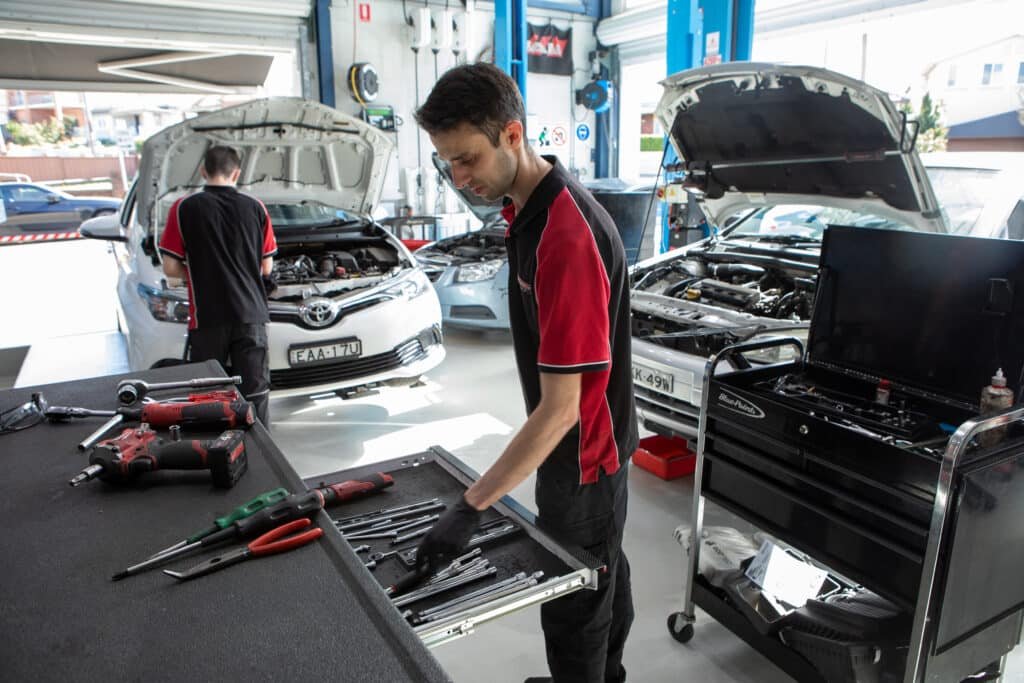
Electric vehicles generally have different maintenance requirements from gasoline-powered vehicles. They do not require many traditional services associated with internal combustion engines, such as oil changes and certain engine-related repairs. However, EVs still require specialized inspection, maintenance, diagnostics, tire services, brake-system attention, and other forms of vehicle care.
This shift can affect the revenue models of traditional automotive service businesses. Repair shops may need to invest in technician training, diagnostic equipment, safety procedures, and EV-specific knowledge.
For independent automotive businesses, developing EV servicing capabilities can create an opportunity to serve a growing customer base while reducing dependence on traditional engine-related services.
Fleet Electrification Is Creating New Business Considerations
Commercial fleets are another area where electric vehicles can have a significant impact. Businesses operating delivery vehicles, service vans, company cars, and other commercial vehicles are evaluating whether EVs can support their operational requirements.
Fleet operators need to consider factors such as vehicle range, charging availability, routes, vehicle utilization, purchase costs, maintenance requirements, and total operating expenses. Businesses with predictable routes may find electrification particularly relevant because charging can potentially be incorporated into established operating schedules.
The transition also creates opportunities for companies that provide fleet management, charging infrastructure, energy management, vehicle maintenance, and related automotive services.
Charging Infrastructure Is Becoming Part of the Automotive Ecosystem
The growth of electric vehicles is also expanding the business opportunities surrounding charging infrastructure. EV charging infrastructure is creating new opportunities for businesses across New York, including commercial properties, workplaces, dealerships, fleet facilities, parking operators, and other businesses.
Companies that install, operate, maintain, or manage charging equipment can become an increasingly important part of the automotive ecosystem. Businesses may also use charging infrastructure as an additional service for employees, customers, tenants, or fleet vehicles.
For automotive businesses, understanding charging infrastructure can therefore become just as important as understanding the vehicles themselves.
Technology Is Changing Automotive Operations
Electric vehicles are closely connected to software, digital systems, and advanced vehicle technology. Many modern EVs rely on software for vehicle controls, connectivity, diagnostics, navigation, energy management, and other functions.
This creates a broader shift in the automotive industry. Automotive businesses increasingly need to understand how software and data influence vehicle ownership and service operations.
Dealerships and service businesses may need new diagnostic capabilities, while fleet operators can use connected vehicle data to monitor vehicle performance, charging activity, and operational efficiency.
New York Businesses Need to Prepare for a Changing Market
For New York automotive businesses, the transition to electric mobility represents both a challenge and an opportunity. Businesses that continue relying exclusively on traditional automotive models may face increasing pressure as vehicle technology evolves.
Preparing for the shift can involve training employees, evaluating new equipment, developing EV-related services, updating marketing strategies, and monitoring changes in customer demand.
The most successful businesses may be those that view electrification as a broader transformation of the automotive industry rather than simply a change in vehicle powertrains.
Conclusion
Electric vehicles are changing New York’s automotive business landscape by influencing dealerships, repair shops, fleet operators, charging providers, technology companies, and other businesses connected to transportation. As EV adoption develops, automotive companies will need to adjust their operations, workforce skills, services, and customer strategies.
For businesses willing to invest in new capabilities and understand evolving customer needs, the transition to electric mobility can create opportunities for innovation and long-term growth. New York’s automotive industry is entering a period in which vehicle technology, software, charging infrastructure, and business strategy are becoming increasingly interconnected.
FAQs
EVs are influencing vehicle sales, automotive servicing, fleet management, charging infrastructure, employee training, and customer expectations. Businesses are adapting their operations to accommodate changing vehicle technology.
Opportunities include EV sales, specialized maintenance, charging infrastructure, fleet electrification services, vehicle diagnostics, software-related services, and customer education.
Yes. EVs have different maintenance and diagnostic requirements. Repair businesses may need specialized equipment, technician training, and knowledge of electric vehicle systems.