New York’s aging population is creating new demands across the healthcare sector. As people live longer, maintaining health and independence for as long as possible becomes increasingly important. Preventive healthcare plays a central role in this effort by focusing on routine screenings, vaccinations, wellness visits, healthy lifestyle choices, and early identification of potential health concerns.
For older New Yorkers, preventive care can help healthcare professionals identify health issues earlier and provide appropriate guidance before problems become more difficult to manage. It also has broader implications for families, healthcare providers, communities, and the healthcare system as a whole.
What Is Preventive Healthcare?
Preventive healthcare refers to services and activities designed to help prevent illness or identify potential health problems at an early stage. Rather than waiting for symptoms to become serious, preventive care encourages people to maintain regular relationships with healthcare professionals and monitor important aspects of their health.
For older adults, preventive healthcare can include routine checkups, recommended screenings, vaccinations, medication reviews, dental and vision care, nutritional guidance, and discussions about physical activity and other lifestyle factors.
The exact services appropriate for an individual depend on factors such as age, medical history, risk factors, and recommendations from healthcare professionals.
Why Preventive Care Matters More as People Age

Aging does not automatically mean a person will experience serious health problems, but the risk of certain conditions can increase with age. Regular preventive care gives healthcare professionals opportunities to monitor changes and identify concerns earlier.
Early identification can be particularly valuable for older adults because some health conditions may develop gradually without obvious symptoms. Routine healthcare appointments can provide opportunities to discuss changes in mobility, memory, vision, hearing, nutrition, sleep, and overall wellbeing.
Preventive care therefore becomes an important part of maintaining health rather than simply responding to illness.
Early Detection Can Support Better Health Management
One of the most important benefits of preventive healthcare is early detection. Screenings and routine evaluations can help identify potential health concerns before they become more serious.
Early identification does not guarantee that a condition will be prevented or cured, but it can give patients and healthcare professionals more time to discuss appropriate next steps. Depending on the situation, early action may include additional testing, lifestyle changes, monitoring, medication, or treatment.
For older New Yorkers, regular appointments can also help healthcare providers identify changes that might otherwise go unnoticed.
Managing Chronic Health Conditions
Older adults are more likely to require ongoing management for certain chronic conditions. Preventive healthcare can support this process by encouraging regular monitoring and communication between patients and healthcare professionals.
Routine appointments can help providers review whether treatment plans remain appropriate and whether patients are experiencing changes that require attention.
Effective chronic condition management can also involve multiple healthcare professionals. Coordinating information among primary care providers, specialists, pharmacists, and other professionals can help create a more organized approach to long-term care.
Vaccinations and Infection Prevention
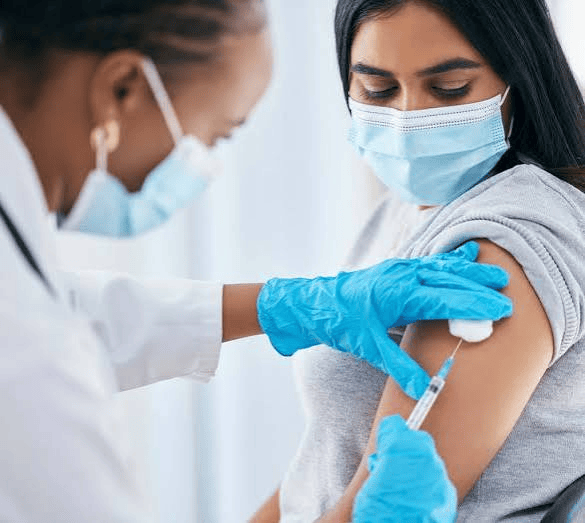
Vaccination is another important component of preventive healthcare for older adults. As people age, certain infections may pose greater risks, making recommended vaccinations an important part of maintaining health.
Healthcare professionals can help older adults understand which vaccinations may be appropriate based on their age, health history, and individual circumstances.
Along with vaccinations, preventive strategies can include appropriate hygiene, regular healthcare visits, and awareness of seasonal health risks.
Vision and Hearing Care
Changes in vision and hearing can affect quality of life and independence. They can also contribute to safety concerns, communication difficulties, and social isolation if left unaddressed.
Routine vision and hearing evaluations can help identify changes that may benefit from professional attention. In some cases, corrective devices or other interventions can help older adults remain active and engaged in daily life.
Including vision and hearing as part of routine preventive healthcare can therefore support more than physical health alone.
The Importance of Fall Prevention
Falls are an important concern for older adults. Preventive healthcare can help identify factors that may increase fall risk, including balance difficulties, mobility limitations, vision problems, medication-related concerns, and unsafe environments.
Healthcare professionals can provide recommendations based on individual circumstances. These may include exercises to support strength and balance, reviewing medications, addressing vision concerns, or making appropriate changes to the home environment.
Taking preventive steps can help older adults maintain greater confidence and independence.
Nutrition and Physical Activity
Healthy nutrition and regular physical activity can play an important role in maintaining wellbeing as people age. Older adults may have changing nutritional needs, while mobility or other challenges can make regular exercise more difficult.
Healthcare professionals can provide individualized guidance on nutrition and appropriate physical activity. Activities suitable for one person may not be appropriate for another, so older adults should consider their personal health circumstances when developing a wellness routine.
Maintaining strength, mobility, and adequate nutrition can support everyday activities and overall quality of life.
Mental and Social Wellbeing
Preventive healthcare should not focus exclusively on physical conditions. Mental and social wellbeing are also important components of healthy aging.
Regular healthcare conversations can provide opportunities to discuss mood, sleep, stress, memory concerns, social connections, and changes in daily activities. Identifying concerns early can make it easier to seek appropriate professional support.
Social engagement can also contribute to wellbeing. Community programs, family connections, volunteer activities, exercise groups, and other forms of social interaction may help older adults remain connected.
The Role of Healthcare Providers
Healthcare providers have an important role in making preventive care accessible and understandable for older adults. Clear communication can help patients understand recommended screenings, vaccinations, follow-up appointments, and lifestyle considerations.
Providers can also help patients navigate different areas of the healthcare system. This can become particularly important when an individual receives care from multiple specialists or uses several healthcare services.
Healthcare organizations that prioritize preventive care can contribute to a more proactive approach to managing the health needs of older populations.
Technology and Preventive Healthcare
Technology is increasingly becoming part of preventive healthcare. Telehealth appointments, digital health records, remote monitoring tools, patient portals, and health management applications can make certain aspects of healthcare more convenient.
These technologies can help patients communicate with providers, review health information, schedule appointments, and monitor certain health indicators when appropriate.
However, technology should complement professional healthcare rather than replace necessary in-person evaluations. Access to digital tools can also vary among older adults, making clear support and accessible healthcare options important.
Preventive Healthcare and New York’s Healthcare System
The growing number of older adults has implications for healthcare providers throughout New York. More demand for preventive services can require healthcare organizations to focus on appointment availability, care coordination, staffing, technology, and patient education. Medicare Advantage is also reshaping healthcare in New York, influencing how healthcare services are delivered and accessed by older adults.
A stronger emphasis on prevention can also encourage healthcare providers to identify health concerns earlier and support patients in managing their health over time.
For healthcare businesses and organizations, understanding the needs of an aging population can help inform service planning and resource allocation.
Conclusion
Preventive healthcare is becoming increasingly important for older New Yorkers because healthy aging depends on more than treating illnesses after they develop. Regular checkups, recommended screenings, vaccinations, chronic condition management, vision and hearing care, fall prevention, nutrition, physical activity, and attention to mental wellbeing can all contribute to a proactive approach to health.
As New York’s population continues to age, healthcare providers and organizations will need to adapt services to meet changing needs. Greater awareness of preventive healthcare can help older adults make informed decisions about their health while supporting a healthcare system that places greater emphasis on early detection, ongoing management, and quality of life.
FAQs
Preventive healthcare includes routine services intended to prevent illness or identify potential health concerns early. For older adults, this may include checkups, recommended screenings, vaccinations, medication reviews, and vision and hearing evaluations.
Recommended services vary based on age, health history, risk factors, and individual circumstances. Healthcare professionals can help determine which screenings, vaccinations, evaluations, and other services are appropriate.
Regular healthcare visits and healthy lifestyle practices can help monitor health changes, identify concerns early, manage existing conditions, and support mobility and independence.